Coloring vs. Meditation: The Ultimate 2026 Guide to Stress Relief, Brain Science & Flow State
Discover why science considers adult coloring a powerful form of active meditation and how it can reduce stress, improve focus, and help you naturally enter a flow state.
•14 min read
Your brain cannot be stressed and in a flow state at the same time. This idea, supported by modern neuroscience, explains why simple activities like coloring can have a powerful effect on your mental well-being.
In a world dominated by screens, constant notifications, and cognitive overload, analog practices like adult coloring are emerging as powerful tools to reduce anxiety, improve focus, and reconnect with the present moment.
The Neurobiology of Coloring: How It Reduces Stress
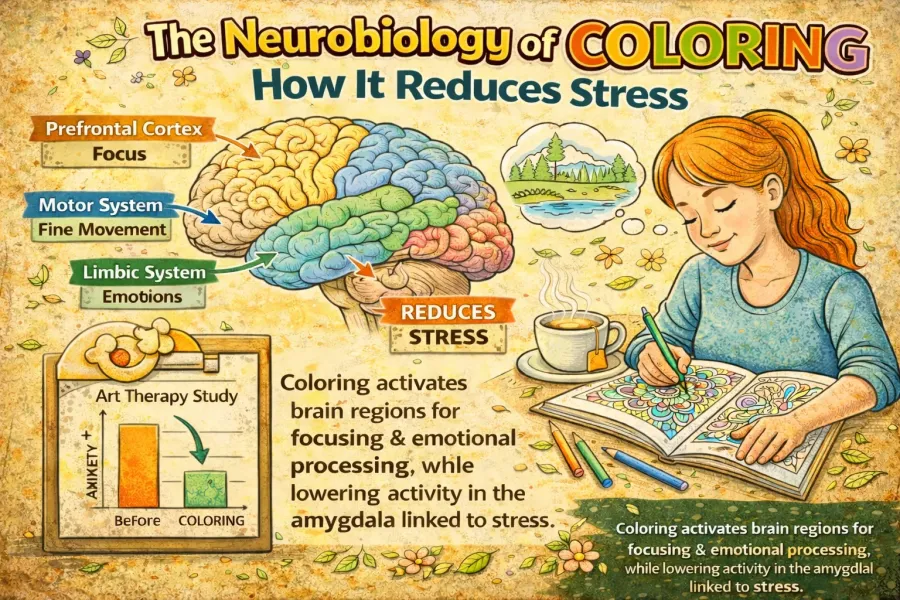
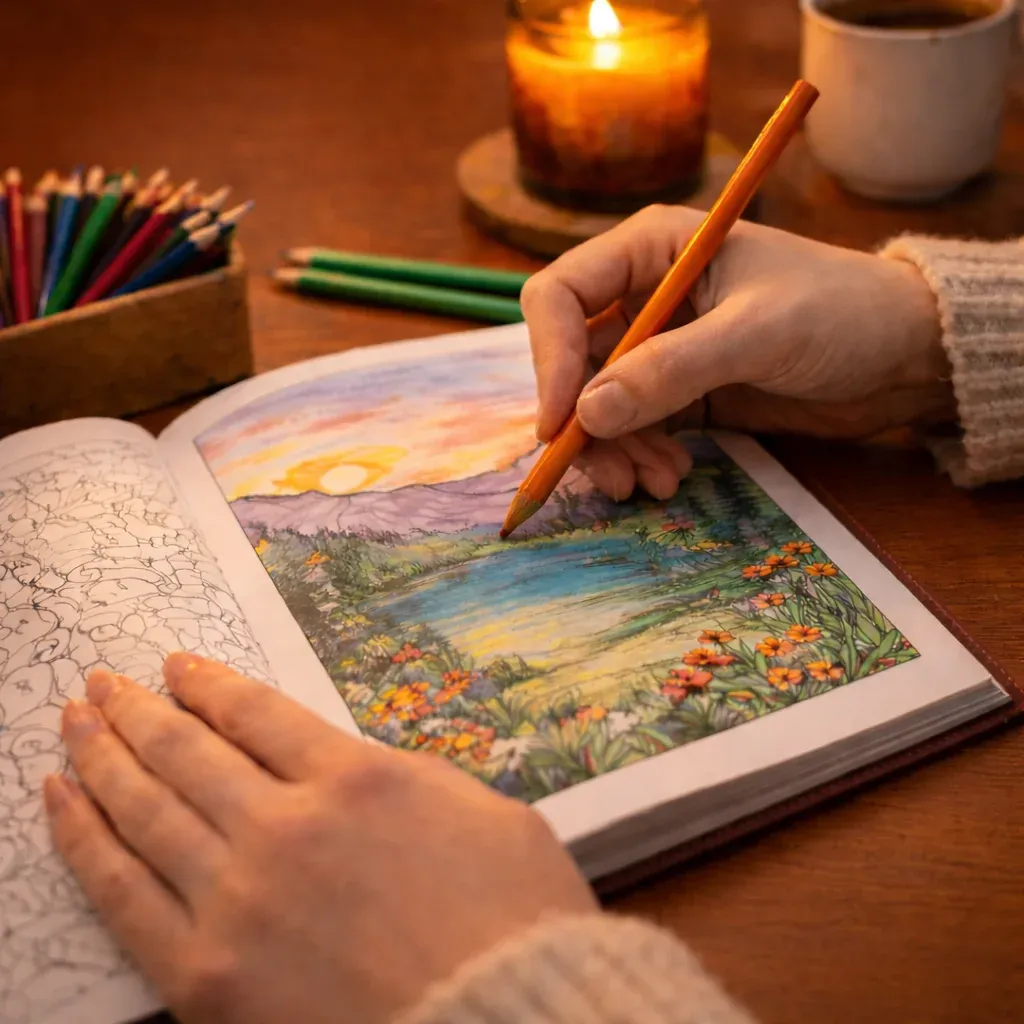
When you color, your brain activates multiple regions at once: the prefrontal cortex (focus), motor system (fine movement), and limbic system (emotions).
Research in art therapy shows that structured activities like coloring patterns significantly reduce activity in the amygdala, the brain region associated with fear and stress.
A study published in Art Therapy: Journal of the American Art Therapy Association found that coloring mandalas for just 20 minutes measurably reduced anxiety levels in adults.
This happens because the brain enters a state of focused attention, reducing intrusive thoughts and mental rumination.
Flow State: The Science of Deep Focus & Happiness
The flow state, introduced by psychologist Mihaly Csikszentmihalyi, is a mental state where you become fully immersed in an activity — losing track of time and feeling completely present.
🧘♀️Less self-consciousness
Your inner critic quiets down, reducing anxiety and overthinking.
⚡Dopamine boost
Your brain releases feel-good chemicals that increase motivation and enjoyment.
🎯Sharper focus
Your attention becomes deeply concentrated, improving clarity and performance.
Coloring is one of the easiest ways to enter flow because it naturally guides your attention without overwhelming your mind.
Coloring vs Traditional Meditation: Key Differences for Stress Relief
When comparing coloring vs meditation, both practices help reduce stress and improve mental clarity. However, coloring for stress relief is often easier to start and more effective for beginners.
Aspect
🧘 Meditation
🎨 Coloring
Ease of Start
Requires practice and discipline
✅ Start instantly
Focus
Hard to manage wandering thoughts
✅ Guided by shapes & colors
Overthinking
Can increase intrusive thoughts
✅ Reduces mental noise
Mind-Body
Mostly mental
✅ Mind + hand coordination
Enjoyment
Feels like a discipline
✅ Creative & relaxing
Flexibility
Needs quiet time
✅ Anytime, even short breaks
Results
Slow benefits
✅ Instant calm
Research shows that coloring for anxiety and other active mindfulness techniques can be more effective than traditional meditation for people with busy or overstimulated minds.
Evidence-Based Mental Health Benefits of Coloring
🧠
Stress reduction (cortisol)
Creative activities like coloring reduce cortisol, the stress hormone. Studies show that even 20–45 minutes can significantly lower stress levels.
🌙
Improved sleep quality
Replacing screen time with analog activities supports melatonin production, helping you fall asleep faster and sleep more deeply.
😌
Anxiety reduction
Repetitive and structured focus calms the nervous system and reduces mental rumination — a key driver of anxiety.
🎯
Improved focus
Coloring trains sustained attention, improving concentration in work, study, and decision-making.
❤️
Emotional regulation
Helps process emotions non-verbally, similar to techniques used in therapy and mindfulness practices.
How to Build a Mindful Coloring Ritual for Relaxation
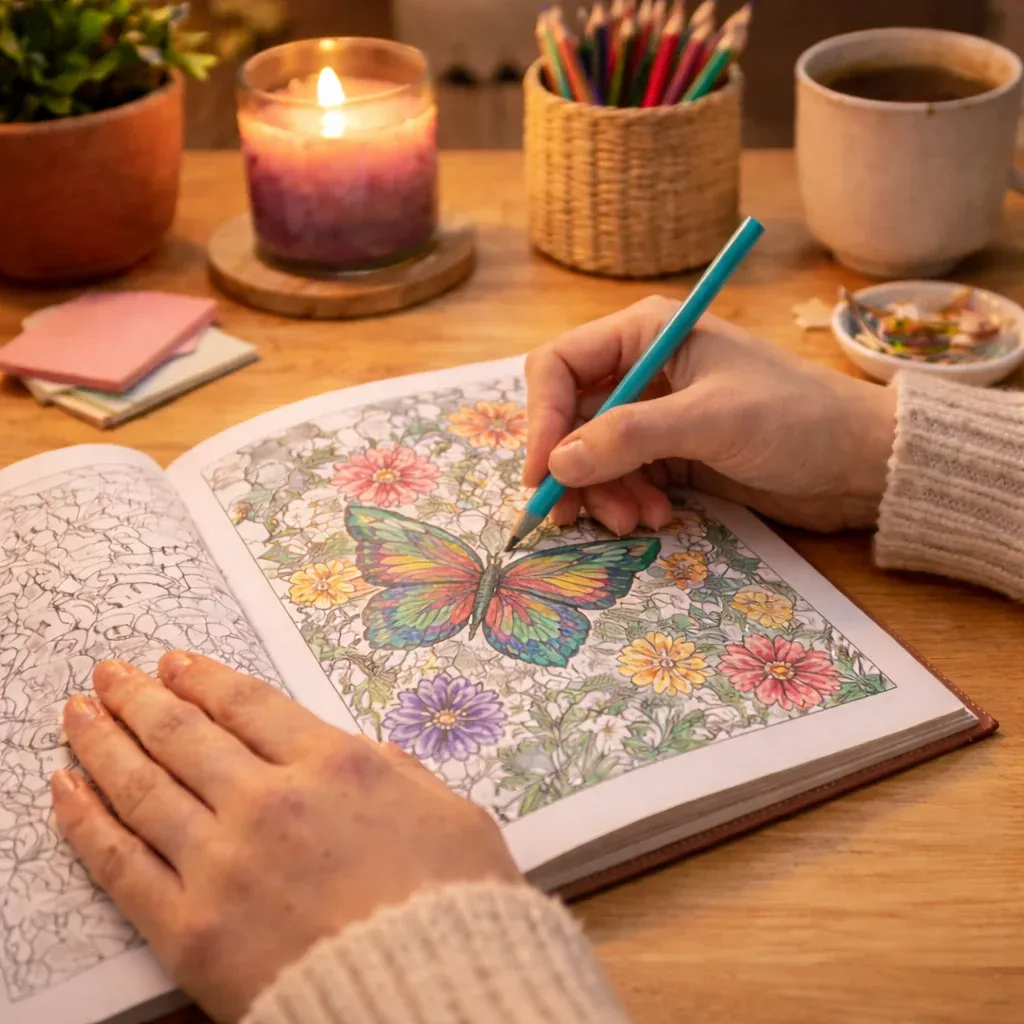
Creating a mindful coloring ritual can transform a simple activity into a powerful tool for stress relief, focus, and emotional balance. The environment you create plays a key role in how deeply you relax while coloring.
Whether you're using free printable coloring pages or your favorite coloring book, these simple steps will help you turn coloring into a calming daily ritual.
Set a cozy atmosphere
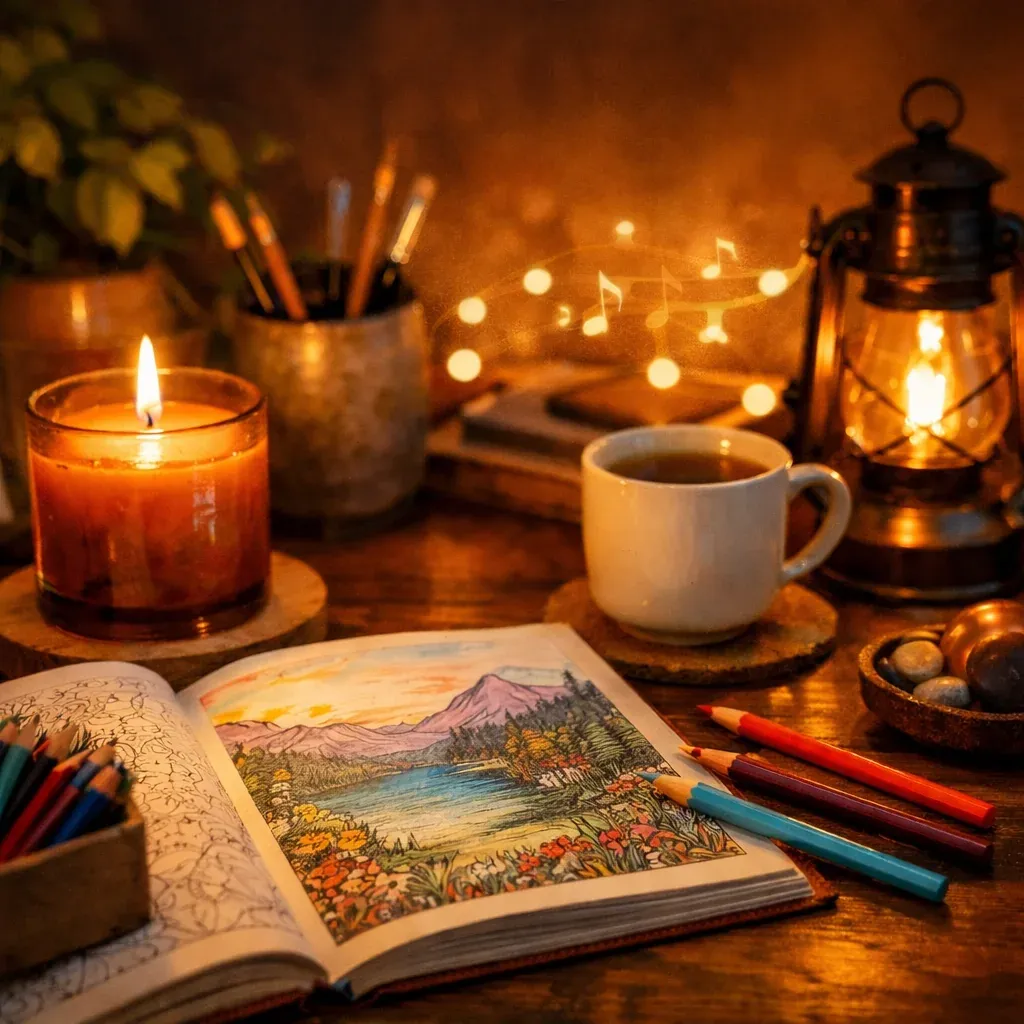
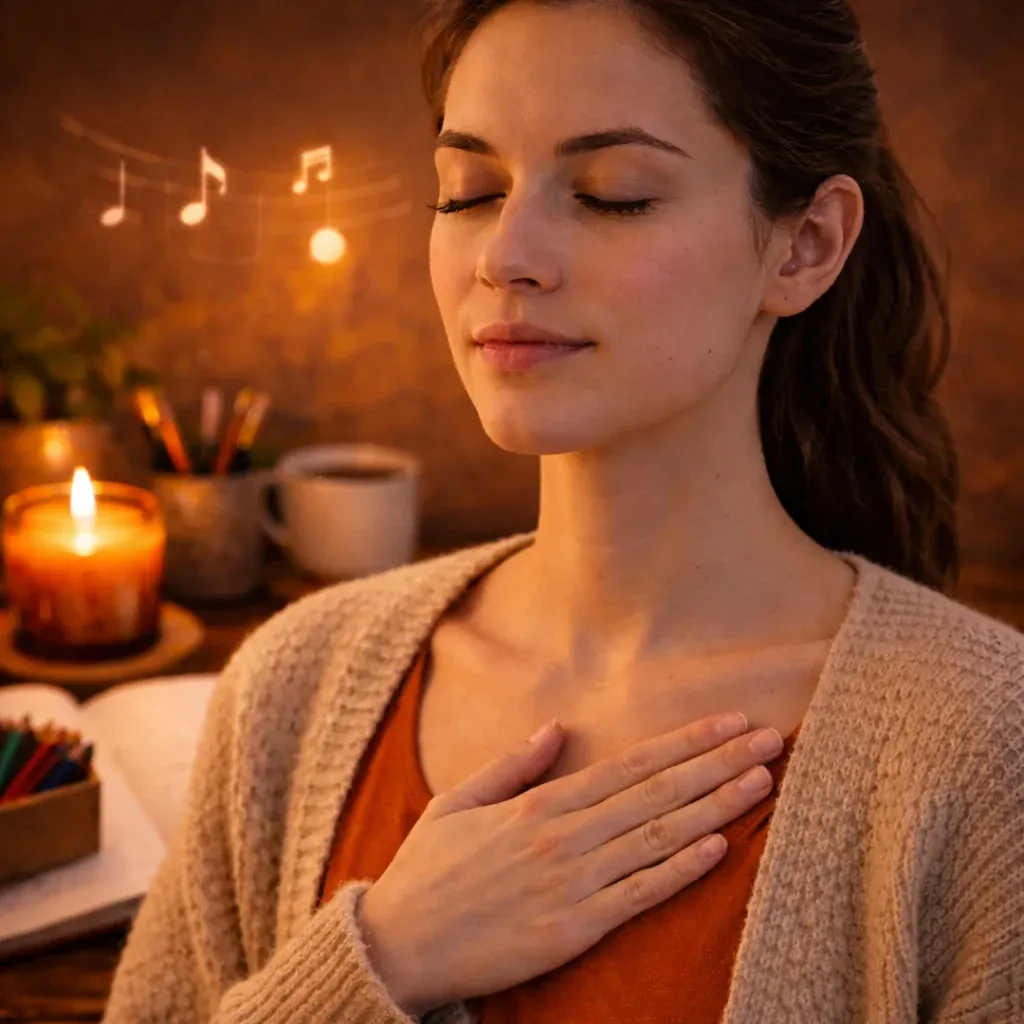
Use warm lighting, light a candle, or play soft music to create a peaceful space.
Eliminate distractions
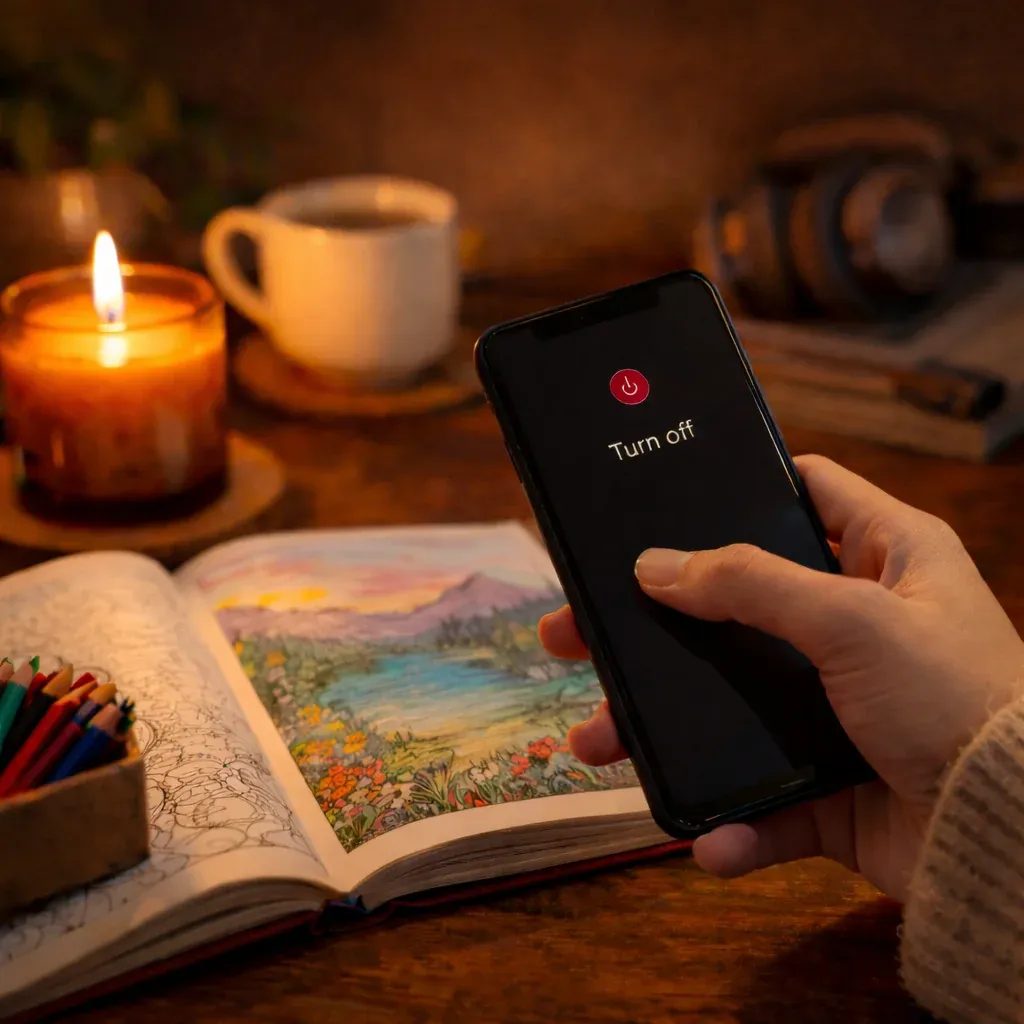
Put your phone on silent and step away from notifications.
Start with deep breathing
Take 3 slow, deep breaths to relax your mind.
Focus on the present moment
Pay attention to colors, shapes, and movements.
Let go of perfection
There’s no right or wrong—just enjoy the process.
Pro tip: Try coloring for just 15–20 minutes a day to reduce anxiety and improve focus.